Blog
HACCP and LMIV — this is how you correctly follow them in direct marketing
Katharina Theo Rösner

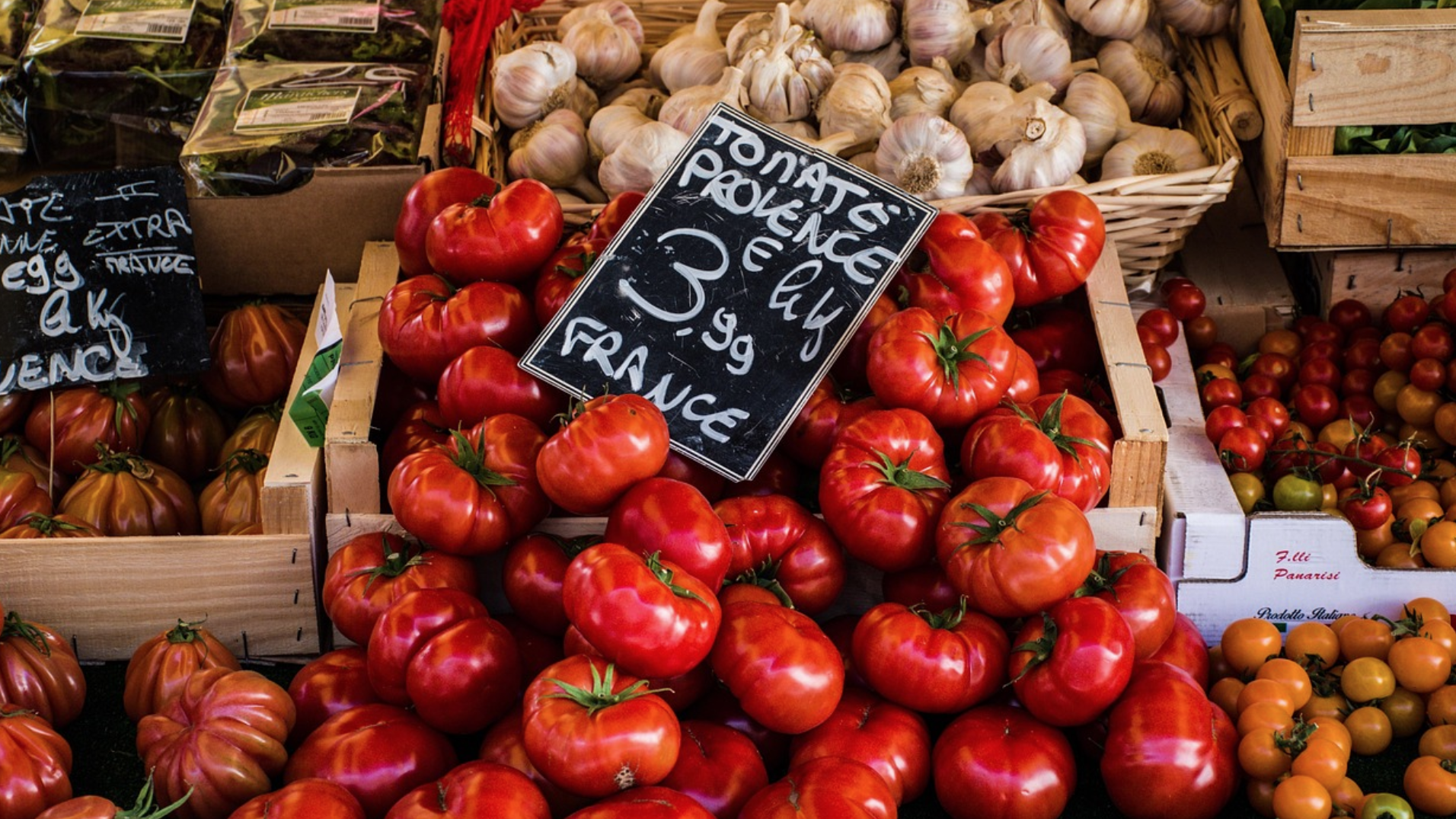

For food processing companies Is the establishment and compliance of a HACCP concept mandatory. This is written by Food Hygiene Ordinance (LMHV) before. The Food Information Ordinance (LMIV) On the other hand, regulates the Labeling requirements for groceries. Many seals are voluntary to apply to products. The HACCP seal (Hazard Analysis and Critical Control Points), on the other hand, is mandatory for processing food companies. Because food safety requirements must consist of Consumer protection reasons are and are fulfilled by an official body such as TÜV approved and certified. A HACCP concept is also mandatory in the spirit of the LMHV. However, it is allowed to develop a concept that is adapted to the company.
Die Food hygiene regulation relates to food safety and Valid across the EU for food businesses, which process food following initial production. This also requires compliance with the HACCP concept. You can also read more about HACCP In this article from the Chamber of Industry and Commerce.
HACCP contains requirements for operational processes, the critical points in food processing be able to represent. In concrete terms, this means that wherever employees come into contact with ingredients and ingredients with surfaces, care and hygiene are required so that nothing is contaminated. This also means that personnel must be trained. The concept dictates that these identify critical control points (CCP) and set values that must be met in order to Lto ensure food safety.
This also applies to the cleaning of surfaces, walls, floors and windows in rooms, but also to the cleanliness, light and temperature of the plant. In addition, systems and machines must be clean and maintained, and food must be properly stored and hygienically processed. This requires staff to be trained on how to handle food safely.
Die values, which can be defined, relate, for example, to temperature of cold rooms or storage rooms, values at heating or pasteurize and pH values. If limit values are exceeded or fallen below, appropriate countermeasures must be taken, which are also defined in advance in accordance with the HACCP concept. The procedure and control of Values must be documented, which serves to ensure safety on the one hand and is also relevant for operational controls on the other hand.
The HACCP concept is regulated by the LMHV and is also one of the requirements of ISO 22000 for food safety. This also writes a Introduction of a quality management system Before that we in this article explain.
The Food Information Ordinance (LMIV) Has been valid for all food businesses since 2011 and provides rules How foods are labelled must. This includes ingredients, nutritional values, allergens, best before date, origin, name and description. The font size is at least 1.2 mm, which is based on the small x obtains. Allergens must be clearly visible. Find out more about LMIV on this page. In this article gLet's also go into detail about the label lettering.
Since that best before date indicates the time at which the food loses its original properties, i.e. no longer tastes as it should because the packaging changes the taste or has a critical effect on health, you can also calculate it yourself: After production, you store the product as recommended and then take samples and evaluate them. Consumers should note that Many products are still edible even after three months when stored correctly are. Changes that make a product inedible are usually perceptible through smell or appearance. The use-by date is shown on perishable foodstuffs.
Food companies must contact the local food inspection authority, i.e. the Veterinary Office, register. All employees who come into contact with food need advice from the health department. We also write more about this in this article. Operational checks are required by law at least every three years prescribed. Establishments of Primary production do not require registration And also No registration if:
Exempted from the requirements for food processing companies are companies that are part of primary production and sell their products directly to consumers. This includes all plant-based products that are sold regionally (max. 100 km) and in small quantities (max. 33 percent of production) — gastronomy is also one of the consumers. In this article You can find further information about it.
Primary products also include raw milk, eggs and honey — but not meat and dairy products. Although primary production companies must meet different and fewer hygiene requirements, they must also prevent contamination and ensure that machines and containers are clean. Subordinate production or processing plants must HACCP-Observe principles, but primary production does not. However, according to LMIV, labels must be labelled normally become. In this article, we go into detail about hygiene regulations.
Consumers have the right to know what foods contain and where they come from. Voluntarily the provenance It is always possible to specify & Co. However, only a few do that. The revisions to the Supply Chain Act also show that companies often have no desire to state the origin of ingredients and do not want to be required to do so. For example, the Supply Chain Act only applies to large corporations. Before labelling requirements can be introduced, a commission must examine how practicable labelling is for businesses and how interested consumers are in knowing this.
HACCP, LMHV and LMIV are mandatory for food companiesbecause the food safety is essential for consumers. Die primary production is partially excluded from this, even though she still has to pay attention to hygiene. In the direct marketing It depends on the type of customers and the products that are being sold. If you have another suitable ERP software If you're looking for, FrachtPilot is the right place for you. Have a look at our sitei, Book a free webinar or try FrachtPilot for free. We're looking forward to seeing you!